If you are buying or selling a home in Florida, one of the most common questions is: who pays closing costs?
The answer depends on the contract, local customs, loan type, title company, and what the buyer and seller negotiate. While some costs are typically associated with one side of the transaction, many closing costs can be negotiated as part of the purchase agreement.
Understanding how closing costs work can help buyers, sellers, and Realtors prepare for a smoother closing.
What Are Closing Costs?
Closing costs are the fees and expenses paid at the end of a real estate transaction. These costs are separate from the purchase price of the property and may include title charges, lender fees, recording fees, taxes, insurance, prorations, inspections, and other transaction-related expenses.
Some closing costs are paid by the buyer, some are paid by the seller, and some may be negotiated between the parties.
Who Typically Pays Closing Costs in Florida?
In Florida, closing costs are often split between the buyer and seller based on the terms of the contract and local market customs.
In many transactions:
- The buyer often pays lender-related costs, loan fees, inspections, appraisal fees, prepaid items, and certain recording charges.
- The seller often pays real estate commissions, owner’s title insurance in many Florida counties, documentary stamp taxes on the deed, payoff-related charges, and prorated property taxes.
However, these responsibilities are not always automatic. The purchase contract controls who pays for specific expenses.
Common Buyer Closing Costs in Florida
Buyer closing costs may include:
- Lender origination fees
- Credit report fees
- Appraisal fees
- Loan underwriting fees
- Prepaid homeowners insurance
- Prepaid property taxes or tax escrows
- Recording fees for the mortgage
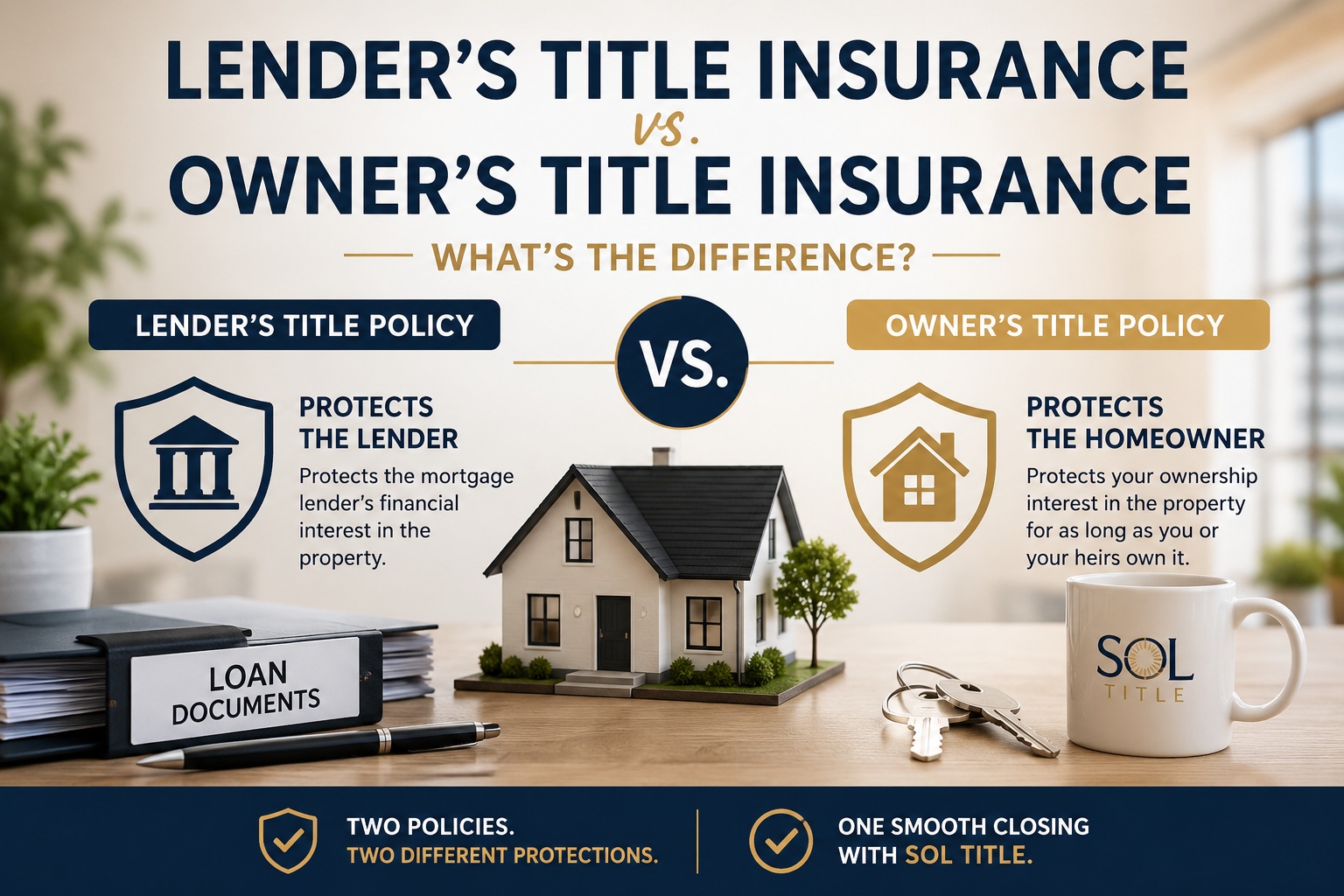
- Lender’s title insurance policy
- Survey fees, if applicable
- Inspection fees
If the buyer is using financing, the lender will provide disclosures outlining estimated loan-related fees and prepaid expenses.
Common Seller Closing Costs in Florida
Seller closing costs may include:
- Real estate commission
- Owner’s title insurance policy, depending on the county and contract
- Documentary stamp taxes on the deed
- Mortgage payoff fees
- HOA estoppel fees
- Municipal lien search fees, if applicable
- Property tax prorations
- Seller credits or concessions negotiated in the contract
- Settlement or closing fees, depending on the title company
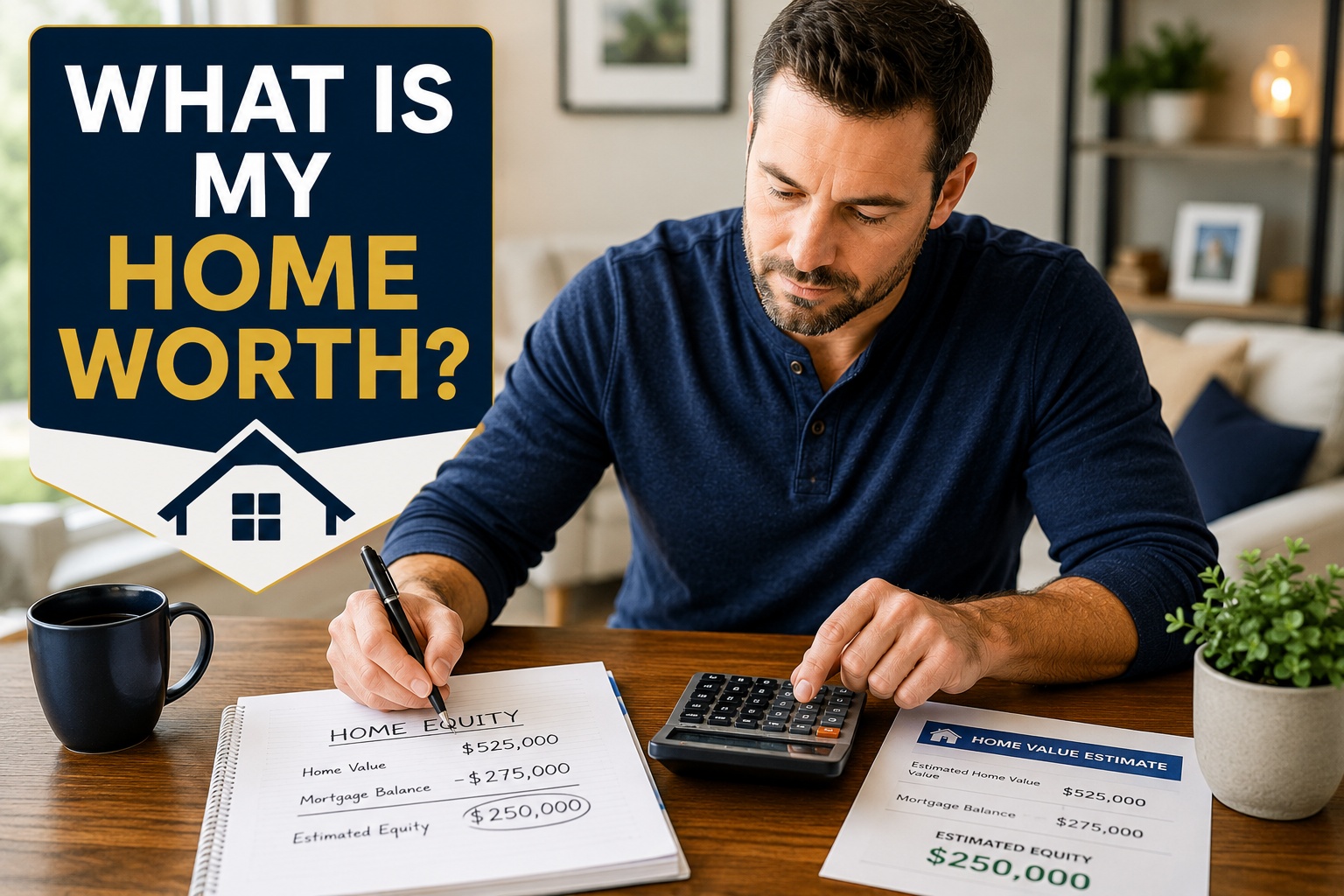
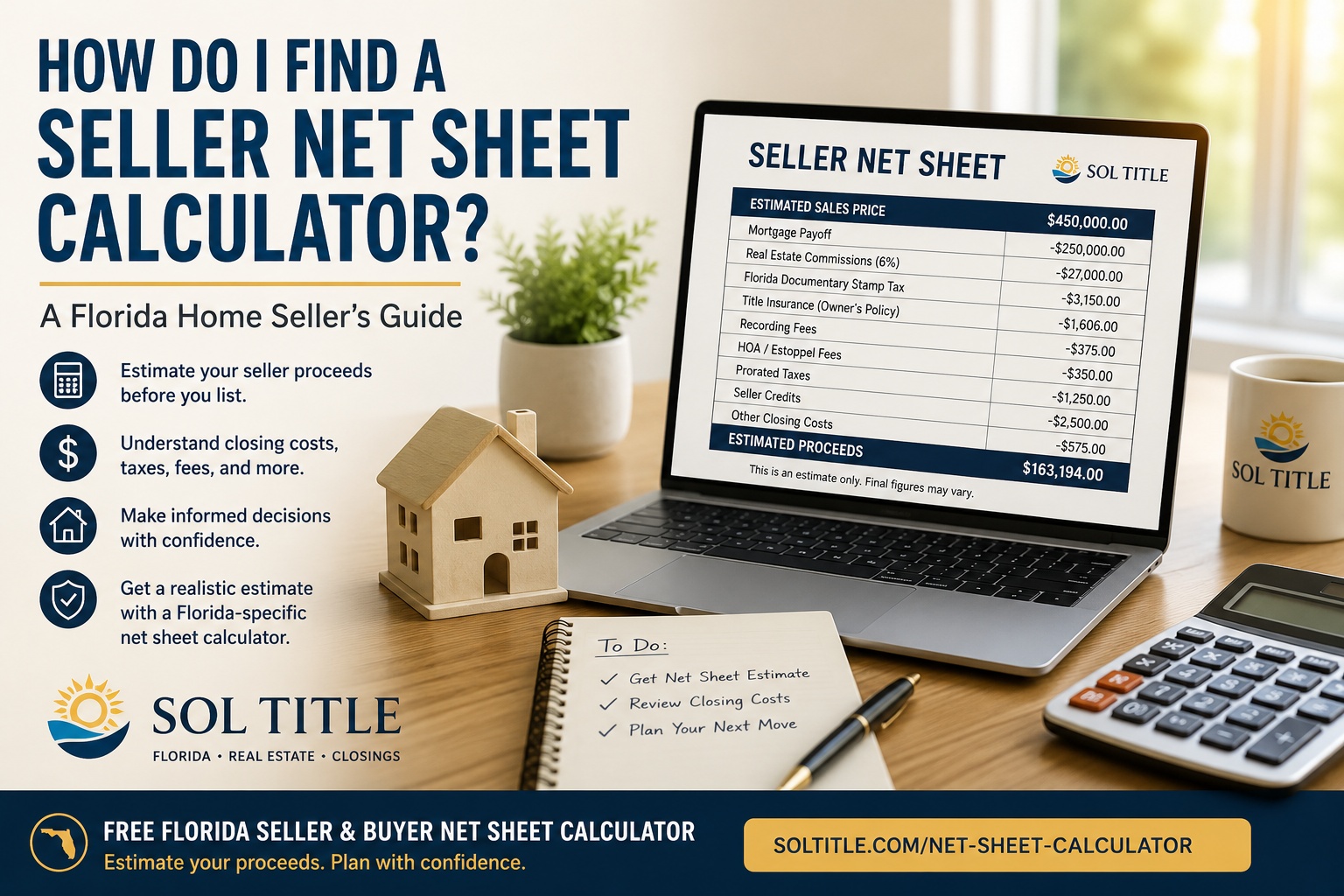
Because seller costs can vary, many sellers use a net sheet before listing their property to estimate how much they may receive after closing.
You can estimate potential seller proceeds using the Sol Title Free Florida Net Sheet Calculator.
Who Pays for Title Insurance in Florida?
Title insurance payment customs vary by county and by contract.
In many Florida counties, the seller customarily pays for the owner’s title insurance policy. In some areas, the buyer may pay. In other transactions, the parties may negotiate who pays as part of the purchase agreement.
A lender’s title insurance policy is typically paid by the buyer when the buyer is financing the purchase.
To better understand what title insurance is and why it matters, read our guide: What Is Title Insurance? A Florida Home Buyer’s Guide.
Can Closing Costs Be Negotiated?
Yes. Many closing costs can be negotiated between the buyer and seller.
Examples may include:
- Seller credits toward buyer closing costs
- Who pays for owner’s title insurance
- Who pays settlement or closing fees
- Repair credits
- Concessions tied to financing or inspection results
Buyers and sellers should work with their Realtor, lender, and title company to understand which costs are fixed, which are customary, and which may be negotiated.
Which Closing Costs Can You Shop For?
Many buyers and sellers compare mortgage rates, insurance quotes, and inspection companies, but they may not realize certain title-related fees can vary depending on the title company selected.
Some title-related costs may include:
- Settlement fees
- Closing fees
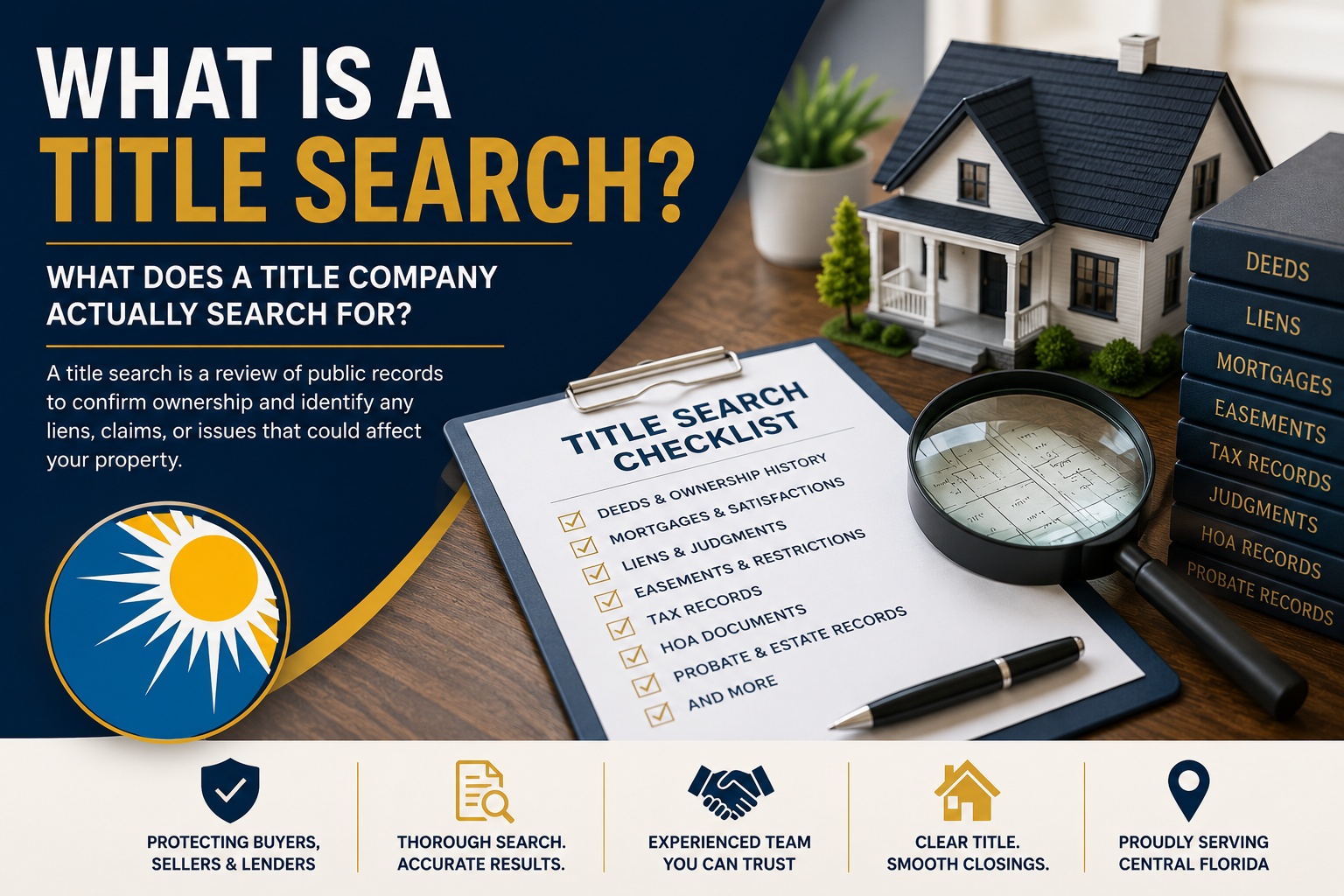
- Title search fees
- Document preparation fees
- Courier, wire, or administrative fees
At Sol Title, we charge $0 settlement fees, helping buyers and sellers better understand and potentially reduce their closing costs.
Why Closing Costs Matter Before You List or Buy
Closing costs can affect a seller’s net proceeds and a buyer’s total cash needed to close.
For sellers, knowing estimated closing costs before listing can help with pricing strategy, negotiations, and planning for the next purchase.
For buyers, understanding closing costs can help avoid surprises and ensure enough funds are available for closing day.
For additional education, read our article on Top 5 Title Problems That Can Delay a Florida Real Estate Closing.
How Sol Title Can Help
At Sol Title, we help buyers, sellers, Realtors, investors, lenders, and builders navigate the Florida closing process with confidence.
Our team provides title insurance, closing services, mobile closings, title searches, and settlement support throughout Central Florida.
Whether you are preparing to list a home, purchasing your first property, selling an investment property, or reviewing estimated closing costs, Sol Title is here to help.
Additional resources:
- Free Florida Net Sheet Calculator
- What Is Title Insurance?
- Top 5 Title Problems in Florida
- Florida 1031 Exchange Guide
- Realtor Resources
Areas Served
Sol Title proudly provides title insurance, closing services, mobile closings, and real estate settlement services throughout Central Florida, including:
- Clermont
- Minneola
- Groveland
- Montverde
- Mascotte
- Howey-in-the-Hills
- Leesburg
- Tavares
- Mount Dora
- Eustis
- Umatilla
- Lady Lake
- Yalaha
- Winter Garden
- Windermere
- Oakland
- Ocoee
- Davenport
We also serve buyers, sellers, Realtors, lenders, builders, investors, and commercial real estate professionals throughout Lake County, Orange County, Sumter County, Polk County, and surrounding Florida communities.
Contact Sol Title
For more information about Florida closing costs, title insurance, title searches, and real estate closings, contact Sol Title today.
Website: SolTitle.com
Email: Orders@SolTitle.com
Phone: (352) 978-3199